
Summary
February is American Heart Month, making it a perfect time to focus on the role nutrition plays in supporting heart health. As we age, our dietary needs change—but eating well doesn’t have to be complicated or restrictive. With thoughtful choices and balanced meals, seniors can enjoy delicious food while caring for their hearts.
February is American Heart Month, making it a perfect time to focus on the role nutrition plays in supporting heart health. As we age, our dietary needs change—but eating well doesn’t have to be complicated or restrictive. With thoughtful choices and balanced meals, seniors can enjoy delicious food while caring for their hearts.
In a senior living community, heart-healthy dining is about more than nutrition—it’s about comfort, enjoyment, and shared experiences at the table.
Focus on Balanced, Wholesome Meals
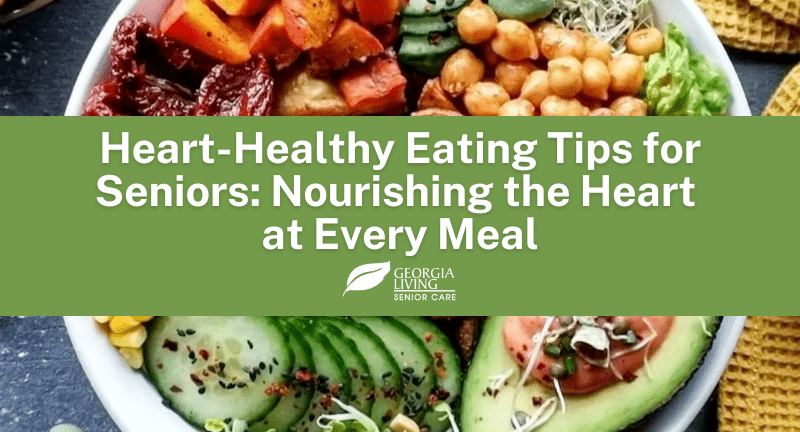
A heart-healthy diet starts with balance. Meals that include a variety of fruits, vegetables, whole grains, lean proteins, and healthy fats can help support healthy blood pressure and cholesterol levels. Colorful plates aren’t just appealing—they often mean a wider range of nutrients that benefit the heart and overall wellness.
Senior living dining programs are often designed with these principles in mind, offering meals that are both nourishing and satisfying.
Choose Lean Proteins and Healthy Fats
Protein is essential for maintaining strength and energy, but choosing lean options matters. Fish, poultry, beans, eggs, and legumes are great choices that support heart health. Healthy fats—such as those found in olive oil, avocados, and nuts—can also help support cardiovascular wellness when enjoyed in moderation.
Limiting saturated and trans fats can make a meaningful difference over time.
Watch Sodium—Without Sacrificing Flavor
Too much sodium can contribute to high blood pressure, which is a key risk factor for heart disease. Heart-healthy meals often use herbs, spices, citrus, and natural seasonings to add flavor without relying on excess salt. This approach keeps meals enjoyable while supporting heart health.
Stay Hydrated Throughout the Day
Hydration plays an important role in overall health, including circulation and digestion. Seniors may not always feel thirsty, so making water, herbal teas, and other low-sugar beverages readily available throughout the day is important.
Enjoy Meals Together
Heart health isn’t just about what’s on the plate—it’s also about emotional well-being. Sharing meals with friends and neighbors encourages social connection, reduces feelings of isolation, and makes dining more enjoyable. Positive social experiences have been shown to support both emotional and physical health, including heart health.
Small Choices, Big Benefits
Heart-healthy eating doesn’t require drastic changes. Small, consistent choices—like adding more vegetables, choosing lean proteins, and enjoying balanced meals—can have a lasting impact. In a senior living community, residents are supported with thoughtful dining options that prioritize both nutrition and enjoyment.
Supporting Heart Health, One Meal at a Time
American Heart Month is a reminder that caring for the heart can happen every day, one meal at a time. With nutritious food, supportive routines, and shared dining experiences, seniors can continue to enjoy meals that nourish both body and heart.