
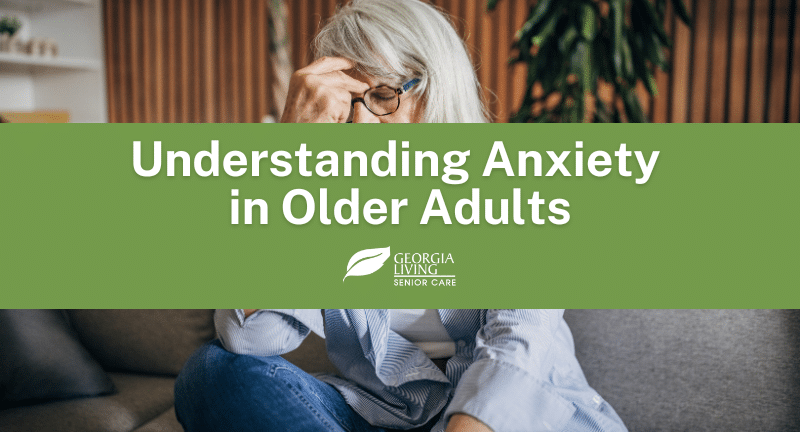
Anxiety Awareness Month is an opportunity to talk about an important but often overlooked topic—anxiety in older adults. While many people associate anxiety with younger generations, it can affect seniors as well. In fact, life changes that often occur later in life can sometimes increase feelings of worry or stress.
The good news is that anxiety is manageable, and with the right support, seniors can maintain a strong sense of emotional well-being and continue enjoying meaningful, fulfilling lives.
What Does Anxiety Look Like in Seniors?
Anxiety is a natural response to stress, but when feelings of worry become persistent or overwhelming, they may begin to affect daily life.
In older adults, anxiety may not always appear the way people expect. Instead of openly expressing worry, seniors may experience physical or behavioral symptoms such as:
-
- Trouble sleeping
- Restlessness or irritability
- Difficulty concentrating
- Fatigue or low energy
- Increased worry about health, finances, or family members
- Avoiding activities or social situations
Because these symptoms can sometimes be mistaken for normal aging or other health concerns, anxiety in seniors may go unrecognized.
Why Seniors May Experience Anxiety
There are several factors that can contribute to anxiety later in life. Many seniors experience significant life transitions that may bring emotional challenges.
Common triggers can include:
-
- Changes in health or mobility
- The loss of loved ones or close friends
- Retirement and shifts in daily routine
- Financial concerns
- Moving to a new home or living environment
While these experiences are common, they can still create stress and uncertainty. Having a strong support system can help seniors navigate these changes more comfortably.
Healthy Ways Seniors Can Manage Anxiety
There are many simple, effective ways older adults can support their emotional well-being and reduce feelings of anxiety.
Stay socially connected. Spending time with friends, family, and community members helps reduce feelings of loneliness and worry.
Maintain daily routines. Predictable schedules can provide comfort and stability.
Stay physically active. Regular movement such as walking, stretching, or group fitness activities can improve mood and reduce stress.
Practice relaxation techniques. Activities like deep breathing, mindfulness, music, or quiet hobbies can help calm the mind.
Talk openly about feelings. Sharing concerns with family members, caregivers, or healthcare professionals can help seniors feel supported and understood.
The Importance of Emotional Wellness in Aging
Mental health is an essential part of overall wellness. Supporting emotional well-being helps seniors remain engaged, connected, and confident as they age.
Communities that encourage social interaction, physical activity, and meaningful engagement can play an important role in helping older adults maintain a positive outlook.
At Georgia Living Senior Care, we believe that healthy aging includes caring for both the body and the mind. Through engaging activities, supportive relationships, and compassionate care, we strive to create an environment where residents feel comfortable, connected, and valued each day.
During Anxiety Awareness Month, we encourage families and caregivers to take a moment to check in with the seniors in their lives. A simple conversation or shared activity can help reduce stress and strengthen emotional well-being.
Because mental health matters at every stage of life.